
Topographical Survey
The purpose of a Topographical Survey
A Topographical Survey (sometimes called a topo survey) provides a detailed map of a property’s natural and man-made features, including elevations, contours, buildings, trees, utilities, roads, and drainage patterns.
“In Simple Terms: A topographical survey shows what the land looks like and how it changes in height. It helps ensure that whatever is built on it is safe, compliant, and designed properly for the terrain.”
Topographical Surveys are essential for planning, design, construction and record-keeping purposes.
Architects, engineers, and developers rely on topographical surveys to design buildings, roads, drainage and landscaping.
Contractors rely on elevation benchmarks and contour lines to;
- Determine cut-and-fill requirements.
- Set foundation heights.
- Ensure compliance with approved site plans.
Mistakes in elevation can lead to costly rework.
Equipment Utilised in a Topographical Survey
The choice of equipment should be determined by the surveyor based on accuracy and location needs.
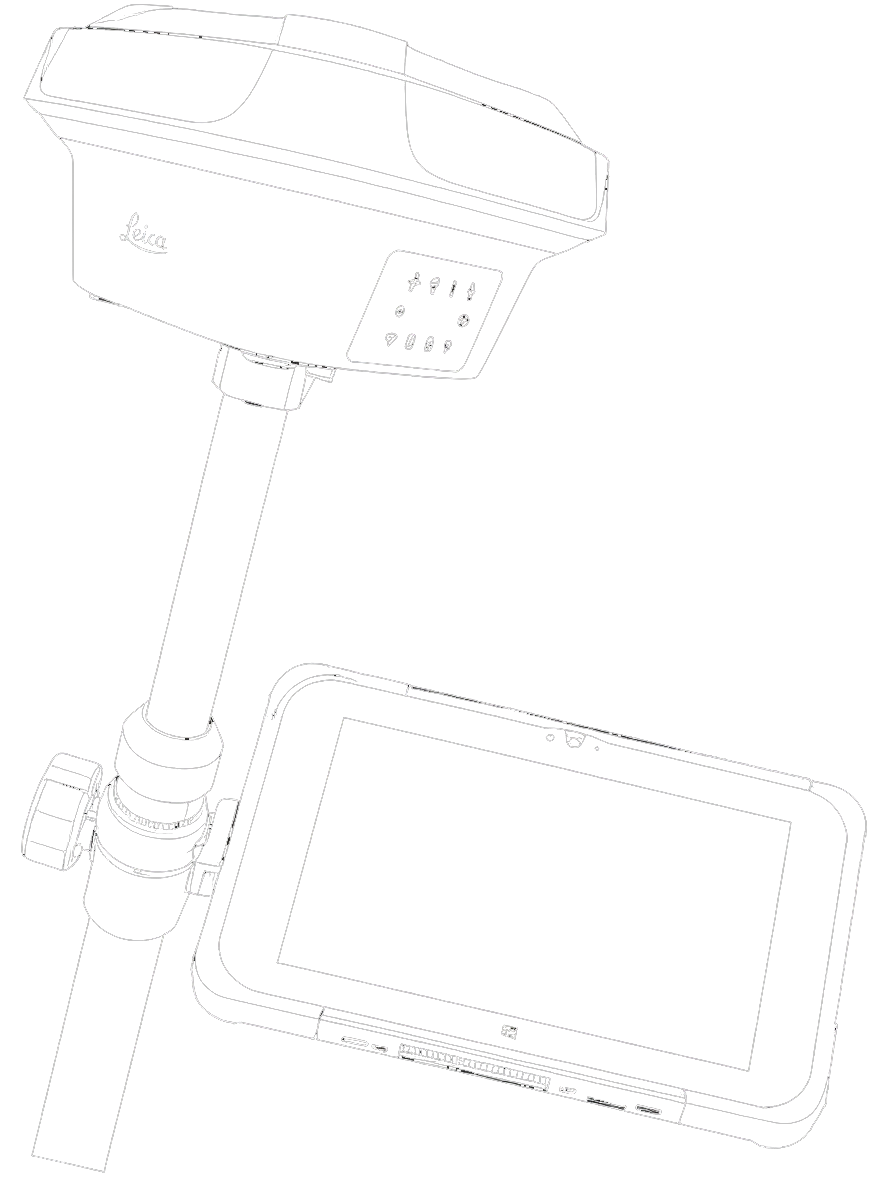
- GPS/GNSS Network RTK is preferred for open areas, while Radio RTK can be used where mobile signals are absent.
- Total stations are used in urban areas for high accuracy and can be operated robotically.
- Laser scanners may be employed for complex details, producing extensive data requiring more office time.
- Aerial photogrammetry can help map larger areas more quickly and create detailed 3D terrain models.
- Minor details can be surveyed with tape measures or Disto devices.
- Data can be presented in various formats, including hard-copy paper drawings, pdf format, CAD format and 3D digital models.
Factors Influencing a Topographical Survey
The main criteria defining the scope and execution of a Topographical Survey.
- Does the area to be surveyed also require detail outside the boundary?
- The required detail affects survey duration and cost; spacing of ground levels for example.
- Required accuracy. A survey presented at 1:100 is to be more accurate than 1:500.
- A survey can relate to a local grid and datum or be related to the Ordnance Survey datum.
- The final presentation of the survey data.
Considerations When Tendering for a Topographical Survey
Creating a tailored survey specification is vital for efficiency and cost-effectiveness.
- Use existing specifications such as the RICS Topographic Survey Check List as a guide.
- Include purpose, area, specifications, deliverables, and access arrangements in the brief.
- Consult with us for advice on requirements and specifications.
Summary of Key Survey Specifications
A comprehensive specification should cover all essential aspects of the survey.
- Define the extent of the survey area and required detail.
- Specify the grid and level datum to be used.
- Indicate the scale of drawings and accuracy needed.
- Note any special conditions or access restrictions.
Additional Resources and Information
Further specifications and guidance documents are available for reference.
Cost-Effective Solutions
We offer competitive pricing without compromising on quality, ensuring you receive the best value for your investment in topographical survey services.